
AFFORDABLE HOUSING & SUSTAINABLE DEVELOPMENT
INFORMATION & RESOURCES
A list of informational resources about the need for affordable housing and the link between housing and important outcomes including health, education, community and economic development.
A new study from NYU found that a few key reforms could spur the development of millions of new apartments.
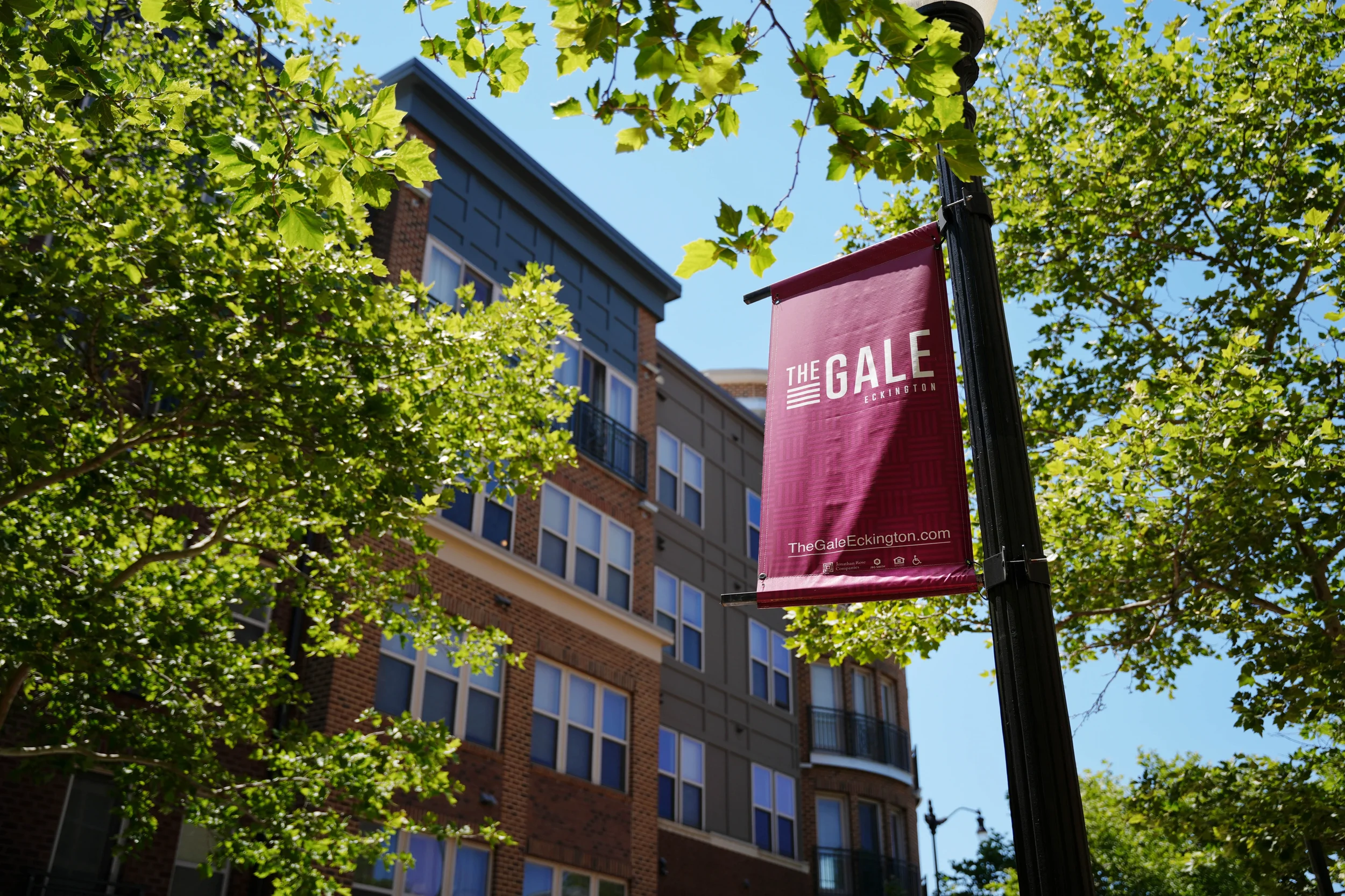
Poor conditions at The Gale Eckington led to a proposed tax abatement. Residents say it's a cop out.
Despite broad agreement that America needs more housing, a tangle of zoning laws, permitting hurdles, and community opposition keeps new construction painfully slow. This NYT opinion piece examines the structural and political barriers standing between the housing shortage and the homes millions of Americans need.

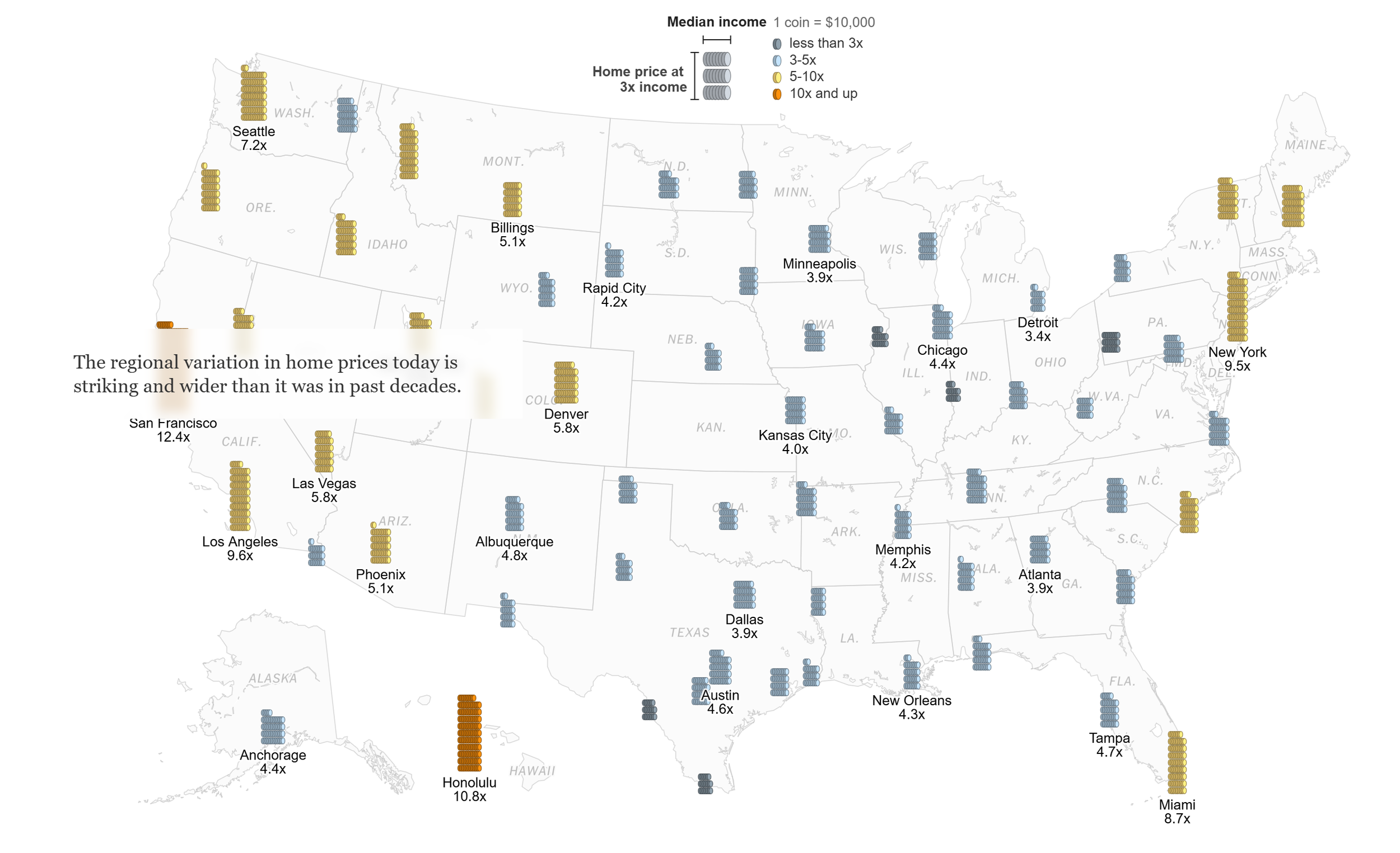
America faces a severe housing shortage driving up costs and squeezing out families. This NYT interactive piece examines why the country must dramatically increase housing production across all income levels to make homes affordable again.
Washington D.C. is trapped in a scarcity-subsidy cycle: restrictive zoning limits housing supply, scarcity drives up costs, and the city responds with subsidies that fail to fix the root problem. This DC Policy Center report proposes 25 reforms across four pillars—unlocking supply, cutting costs, modernizing regulations, and targeting subsidies—to build a more affordable and inclusive housing system for the District.
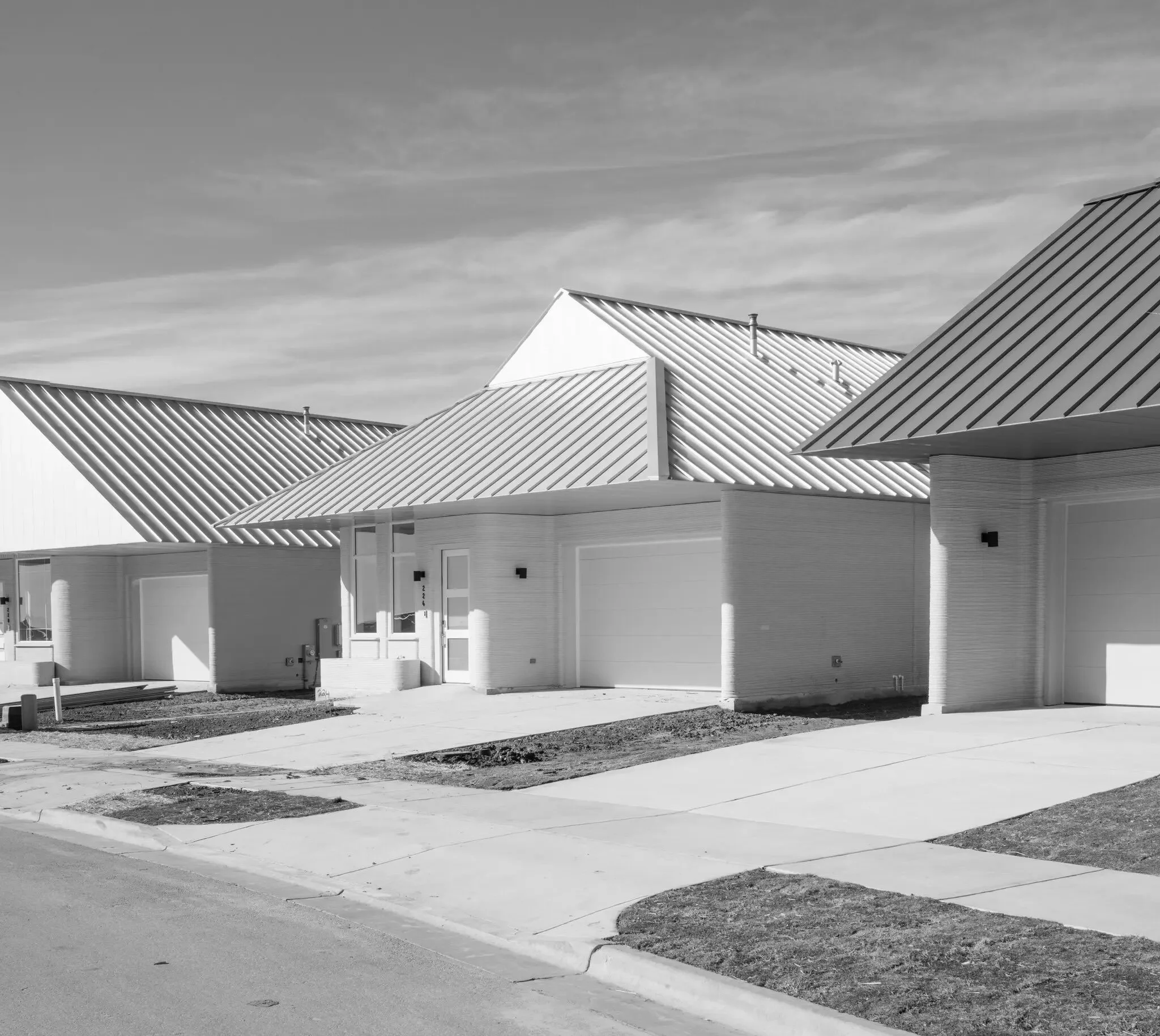
President Donald Trump has pointed to institutional investors as a key driver of the nation’s housing affordability crisis, arguing that corporations should not be allowed to buy large numbers of single-family homes.
The argument may resonate politically, but it sidesteps the underlying issue: the U.S. housing shortage is driven by years of underbuilding. Limiting investment would do little to increase supply and could ultimately make the problem worse.
VIEW HERE
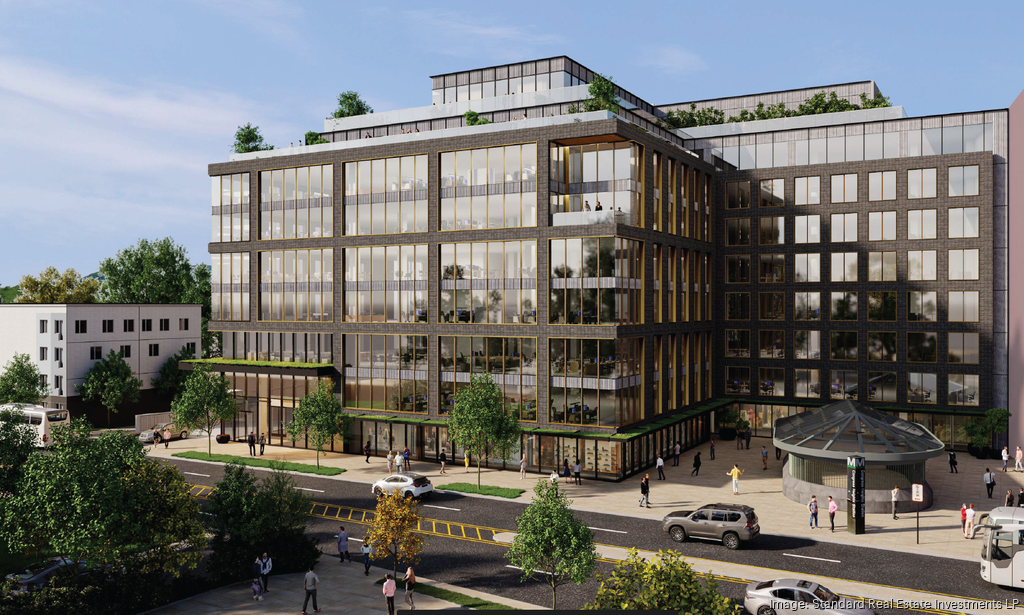
Financing hurdles tied to an oversized office component are putting 179 affordable housing units near the Congress Heights Metro station at risk, as developers seek a two-year extension and consider redesigning the long-stalled project to reflect current market realities.
With office space proving difficult to finance, the delays highlight how shifting market conditions can continue to slow affordable housing delivery.
VIEW HERE
Just across the Mississippi River, two cities tried radically different answers to the housing crisis and ended up with sharply different results. As St. Paul’s strict rent-control law stalled construction and spooked investors, Minneapolis fueled a building boom by focusing on supply instead of price caps.
The diverging outcomes are now fueling a national debate over whether rent control protects renters or quietly makes the housing shortage worse.
VIEW HERE
As evictions in Washington, DC reach a decade high, the City Council has passed a controversial overhaul of pandemic-era tenant protections that supporters say is necessary to revive affordable housing development. But housing advocates warn the new RENTAL Act could accelerate displacement for thousands of vulnerable residents, raising urgent questions about who the legislation is really designed to protect—and at what cost.
VIEW HERE

Late last year, one of Seattle’s most vaunted affordable housing providers put six buildings up for sale.
A few months later, another nonprofit listed four of its eight.
Then, another developer gave up its stake in all three of its affordable properties in Seattle.
While one-off sales happen from time to time, 13 buildings with more than 1,100 units where low-income people live is an unusual amount and a symptom of something bigger: The affordable housing sector is at a breaking point.
VIEW HERE

In the heart of D.C., along a narrow street in the affluent Adams Morgan neighborhood, a scaffolding rises above the sidewalk near increasingly expensive homes.
The 52-unit building under construction will house people making far below the area’s median income. Half will be newly released from incarceration.
But the building’s development cost is enough to make the neighborhood’s wealthier residents blink: $1.2 million per apartment.
VIEW HERE

The Trump administration’s push to reduce spending is already having dramatic impacts on affordable housing developers across the country.
From executive orders targeting key sources of development funding to allowing some programs to run out of cash to dramatic staffing cuts, pressure points are building on the companies and organizations on the front lines of the housing crisis.
In Congress' stopgap funding bill, HUD is slated to receive a nearly $3.7B increase, but that would effectively cut subsidies and rent by more than $700M, according to the National Low Income ...
VIEW HERE

TOPA’s Promise and Pitfalls: Balancing tenant rights, affordability, and housing investment in Washington, D.C.
Housing permits began to increase again in 2005, with substantial production starting in 2007. Over the past 17 years, 42,980 rental units—31 percent of the total rental stock—have been built in 300 buildings, representing 10 percent of all rental properties.
VIEW HERE

The Trump administration is eliminating a $1B federal housing program aimed at preserving affordable housing as part of its cost-cutting efforts.
The program was designed to keep housing units livable for low-income households. Passed by Congress in 2022, the program has already outlaid more than $1.4B to help landlords fix leaky roofs, update cooling and heating systems, add new windows and improve floodproofing.
VIEW HERE

More than 40 real estate investors, brokers, bankers and attorneys gathered Wednesday morning in the basement of the three-story community building of the Meadow Green Courts affordable housing complex in Southeast D.C. to witness the auction of the land on which they stood.
VIEW HERE

D.C. is falling behind the region in production of new multifamily units, a trend that leaders fear will raise the cost of housing for all segments of the market.
The District’s declining share of multifamily housing production in the larger metropolitan statistical area reverses a trend of D.C. leading the region, according to U.S. Census Bureau data of multifamily housing permits compiled by the office of the Deputy Mayor for Planning and Economic Development.

Directly across the Anacostia River from RFK Stadium, a complex of 51 three-story brick buildings has become the latest symbol of D.C.’s worsening housing crisis. Rental arrears have continued to mount at apartment complexes in D.C. even months after emergency legislation was passed aimed at forcing more tenants to pay their rent on time. Five of D.C.’s largest housing owners — Enterprise Community Development, WC Smith, CIH Properties, Donohoe Cos. and E&G are sitting on more than $30M combined in total rent delinquencies.
VIEW HERE

American cities face a paradox: empty office buildings downtown and rising homelessness on the streets. Alex Horowitz, project director at Pew Charitable Trusts, suggests an innovative solution—transforming offices into affordable, dorm-style apartments by removing outdated building rules, like the requirement for openable windows.
This change could drastically cut costs and increase housing supply, providing affordable rents for those in need. By embracing such ideas, cities could revitalize downtowns, reduce homelessness, and create vibrant, accessible urban communities.
VIEW HERE

The D.C. Council unanimously passed an emergency bill Tuesday to roll back pandemic-era eviction protections and rental-assistance policies that city leaders say have led to a crisis of unpaid rent, causing some affordable housing developments to be on the brink of foreclosure.
Under the bill, the council will undo policies that allowed people to self-certify their eligibility for ERAP and that required judges to repeatedly delay eviction proceedings if a tenant had a pending ERAP application.
Tenant advocates argued that tightening these policies will lead to more evictions and warned that the new rules could create new problems.
VIEW HERE

D.C.'s top local lawmaker says legislative reform is needed to alleviate the crisis that has put housing providers at risk of shutting down as their tenants accrue tens of millions of dollars of unpaid rent.
Council Chairman Phil Mendelson addressed the issue publicly for the first time Monday morning during a regular media briefing. He confirmed Bisnow's report last week that he is seeking co-sponsors for draft legislation to reform D.C.'s Emergency Rental Assistance Program, which industry leaders say has been used by tenants to delay eviction proceedings while not paying rent.
VIEW HERE

An under-the-radar tweak to Washington, D.C.'s Emergency Rental Assistance Program passed in 2022 created a loophole that is at the heart of the existential crisis engulfing the District's affordable housing sector.
The new rule barred tenants from being evicted from their homes as long as they had a pending application for ERAP funds, and it removed judges' discretion to weigh whether a tenant has hope of receiving assistance or whether it would cover their debt.
Landlords say tenants and their attorneys have taken advantage of the rule and collectively racked up millions in unpaid rent that there is no hope of recouping.
VIEW HERE

When Adrian Washington announced last month that he was shutting down his prolific D.C. affordable housing development firm, the news was a shock to many and left the thousands of residents in Neighborhood Development Co.'s buildings in limbo.
It was also a warning.
NDC's collapse wasn't an isolated incident. The owners of tens of thousands of income-restricted apartments are at risk of losing their properties, jeopardizing the future of affordable housing in the nation's capital.
VIEW HERE

D.C.-based developer Neighborhood Development Co. is shutting down after 25 years of building affordable housing, attributing the move to today's difficult market conditions.
The company announced the news on its website with a message dated Aug. 23, saying it was “ending its operations and the operations of its affiliates” as of September 30. The announcement doesn't appear to have been widely distributed or previously reported.
VIEW HERE

Research confirms that there are large benefits in saying yes to tall buildings, yes to multifamily structures, yes to dense single-family development and yes to speedy permitting. The growing YIMBY (Yes In My Backyard) movement already has high-profile wins in Minnesota, Oregon, California and beyond, but even YIMBY devotees rarely appreciate the scope of the merits of loosening rules on housing.
What would happen if homebuilders could once again freely build until housing prices were driven back down to cost? According to a conservative estimate, prices would ultimately fall about 50 percent on average nationally — with significant, wide-ranging implications.
VIEW HERE

Across California, efforts to address the homelessness crisis by building more affordable housing with government money have been plagued by sky-high costs. SDS, an investment firm, is financing construction of its L.A. building, scheduled to open in June, with a $190 million fund it raised to build an estimated 2,000 units for formerly homeless people in the city with mental-health and other medical needs. It is one of several such efforts venturing into an affordable-housing market that for decades has been dominated by developers and nonprofits that cobble together public funding and typically move at a snail’s pace.
VIEW HERE

For years, the Yimbytown conference was an ideologically safe space where liberal young professionals could talk to other liberal young professionals about the particular problems of cities with a lot of liberal young professionals. But the vibes and crowd were surprisingly different at this year’s meeting. In addition to vegan lunches and name tags with preferred pronouns, the conference included — even celebrated — a group that had until recently been unwelcome: red-state Republicans.
VIEW HERE

Taking stock of the housing crisis in D.C. and across the country, it’s not difficult to see that something has to change: As housing and living costs rise, more people than ever are spending at least half of their income on rent. More than one in ten D.C. residents face housing insecurity, and demand for housing programs, like emergency rental assistance, remains sky-high.

In the heart of New York City's housing crisis lies a challenge: how to provide adequate homes for its growing population without compromising the city's unique character. The solution may not be as daunting as it seems. My architecture firm, Practice for Architecture and Urbanism, collaborated with Times Opinion to envision a future that accommodates the city's need for housing while preserving its iconic skyline and neighborhood integrity.

Structures like tenements on the Lower East Side, brownstones in Brooklyn Heights, and quaint buildings in Astoria not only tell a story of my ancestry but also reflect a broader narrative of the city's evolution. Yet, this preservation of the physical city comes at a cost. The same buildings that connect us to New York's rich history are also part of a complex web of laws and regulations that hinder new construction, contributing to the city's acute housing shortage.

The pandemic forced American cities to make such transformations, temporarily. They turned sidewalks into restaurants, parks into hospitals, streets into open spaces. Now on a lasting and larger scale, they will need to convert offices into apartments, hotels into affordable housing, curb parking into bike lanes, roadways into transit routes, office parks into real neighborhoods.
“If these last few years have taught us anything,” said Ingrid Gould Ellen, a professor of urban policy and planning at N.Y.U., “it’s the need for flexibility, the need to be open to surprise in the way we’re going to use space.”